
If your child struggles with everyday tasks, like holding a pencil, getting dressed, staying seated in class, or keeping up on the playground, you’re not alone. Many families in Mission, TX explore occupational therapy when daily life feels harder than it should for their child.
Pediatric occupational therapy helps children develop the skills they need to participate in home, school, and community activities as independently as possible. At child-focused clinics such as Tip of the Tongue Rehabilitation, therapy is individualized and play-based, so children work toward meaningful goals in a way that feels fun and safe. Below are six key ways occupational therapy in Mission, TX can support your child’s development and what that can look like in everyday life.
1. Strengthening Fine Motor Skills for Everyday Tasks
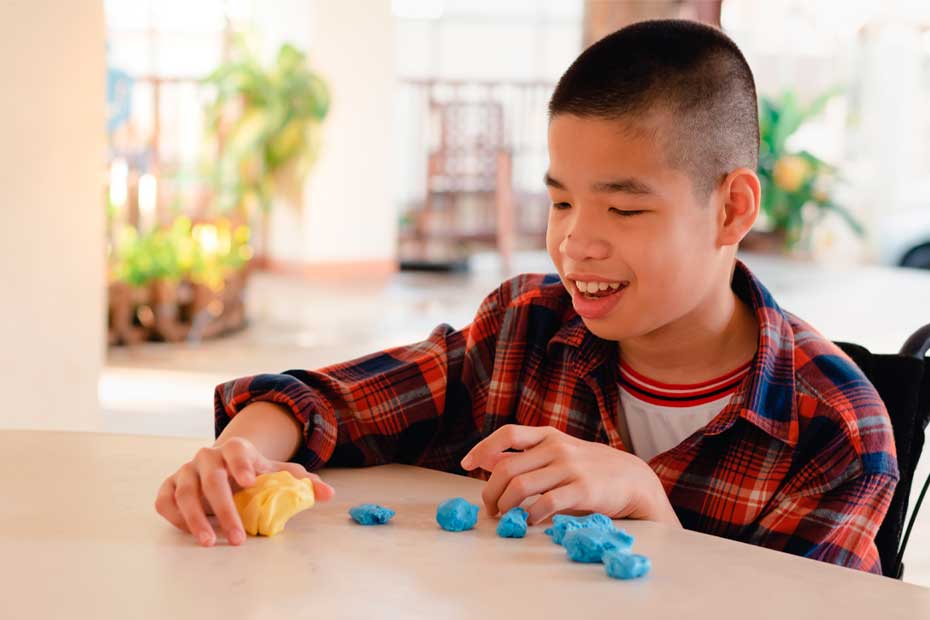
Fine motor skills involve the small, precise movements of the hands, fingers, and wrists. Children rely on these skills to:
- Hold and control a pencil or crayon
- Use scissors safely
- Button, snap, zip, and tie shoes
- Manipulate small objects such as toys, coins, or building blocks
When fine motor skills are weak, children may avoid writing and art, get frustrated with dressing tasks, or fall behind on schoolwork. Pediatric occupational therapists examine how a child uses their hands, arms, posture, and vision together, then design playful activities to improve strength, coordination, and control.
Typical activities might include:
- Games with tweezers, tongs, and small objects
- Beading, lacing cards, and pegboard games
- Playdough, therapy putty, and simple crafts
- Tracing, coloring, and early handwriting practice
Over time, parents often notice that school tasks feel more manageable, self-care gets easier, and children’s actions become easier, and they are more willing to try new activities.
2. Improving Gross Motor Skills, Balance, and Coordination
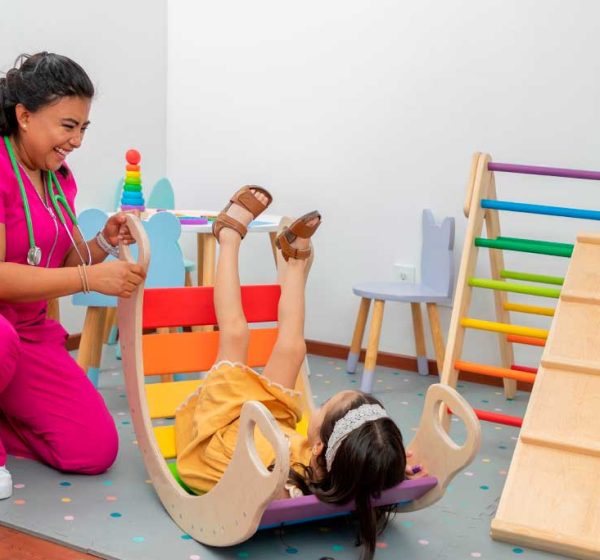
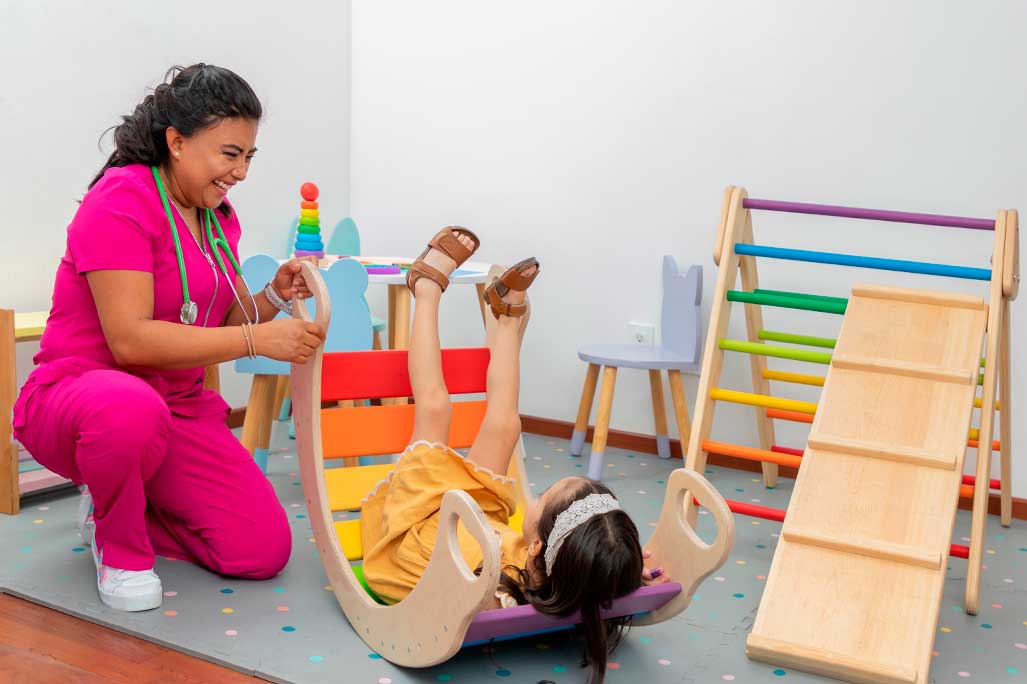
Many children who benefit from occupational therapy services also need help with gross motor skills, larger movements of the arms, legs, and body that support running, jumping, climbing, and safe play.
In clinics that offer both physical and occupational therapy services, therapists design whole-body activities to build strength, balance, posture, and body awareness. Examples include:
- Obstacle courses that require crawling, jumping, and climbing
- Swings and climbing equipment to challenge balance safely
- Scooter boards and balance beams
- Ball games to practice catching, throwing, and timing
These experiences help children feel more secure and organized in their bodies, which carries over into walking on uneven ground, navigating playground equipment, and sitting upright at a desk without tiring so quickly.
For children with joint hypermobility, low muscle tone, or developmental delays, this kind of targeted movement can be especially important to reduce fatigue, discomfort, and risk of injury while building confidence in physical play.
3. Supporting Attention, Self-Regulation, and Sensory Needs
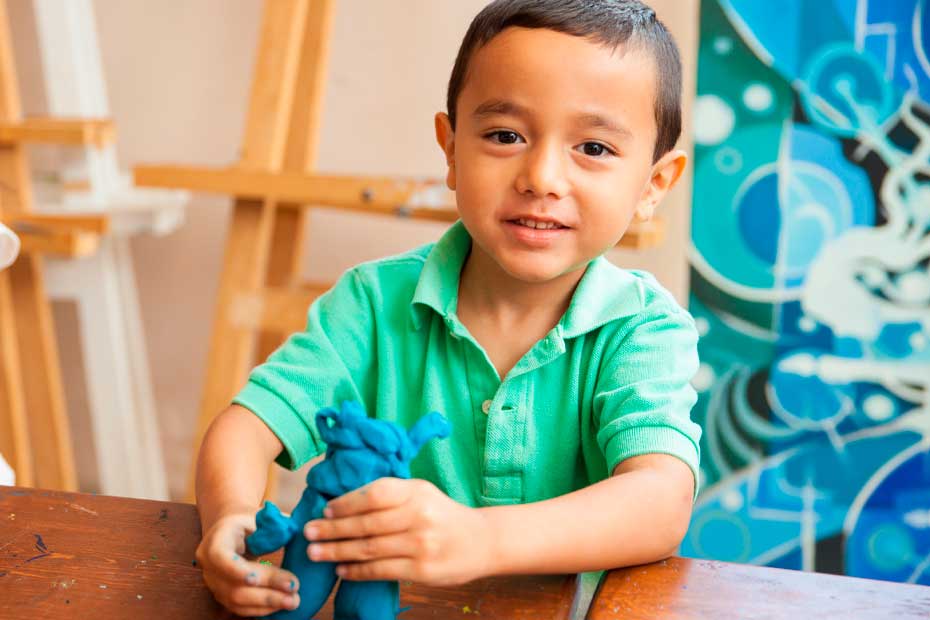
Some children have big reactions to sounds, textures, or movement. Others seem constantly “on the go,” have a hard time sitting still, or struggle to manage strong emotions. Occupational therapists are trained to understand how sensory processing and self-regulation affect behavior, learning, and participation in everyday activities.
In pediatric occupational therapy, children may work on:
- Noticing how their body feels when they are calm, excited, or overwhelmed
- Using tools like movement breaks, quiet spaces, or fidgets to regulate
- Building predictable routines and calm-down strategies for challenging times of day
For children with ADHD or autism, OT can help improve attention, organization, and emotional control, which may lead to smoother home routines and better participation at school. Therapists also coach parents and caregivers so strategies practiced in the therapy room are reinforced in real-life settings.
Even playful activities, such as themed crafts or seasonal sensory projects, can be used intentionally to support regulation, attention, and skill-building.
4. Building Independence in Self-Care and Daily Routines
A central goal of occupational therapy in Mission, TX is to help children be as independent as possible with everyday self-care tasks. Therapists break big routines into manageable steps and support children as they practice these skills over time.
Common focus areas include:
- Dressing: managing zippers, buttons, snaps, and shoe tying
- Feeding: using utensils, handling cups, and trying new textures
- Hygiene: hand washing, tooth brushing, and basic grooming
- Toileting: routines, timing, and independence in the bathroom
- Daily routines: staying on task through morning and bedtime routines
For children with conditions like Down syndrome or global developmental delays, OT can use visual supports, repetition, and play-based practice to make these tasks feel less overwhelming and more achievable. As skills grow, many families report fewer daily battles and a stronger sense of confidence in what their child can do.
5. Supporting Cognitive, Social, and School-Related Skills
Occupational therapy also targets the thinking and problem-solving skills that children need for school, friendships, and daily decisions. These are often called cognitive or executive functioning skills.
In therapy, children may practice:
- Planning and organization: like gathering materials for homework or projects
- Working memory: keeping track of multi-step directions
- Flexible thinking: coping when routines change or things don’t go as expected
- Social skills: turn-taking, sharing, and reading social cues
These abilities help children follow classroom instructions, stay on task, complete assignments, and participate in group work. At home, they support smoother transitions, more success with chores, and better problem-solving during everyday challenges.
Occupational therapists frequently collaborate with all caregivers and other professionals so strategies are consistent across settings and more likely to stick.
6. Boosting Confidence, Motivation, and Family Well-Being
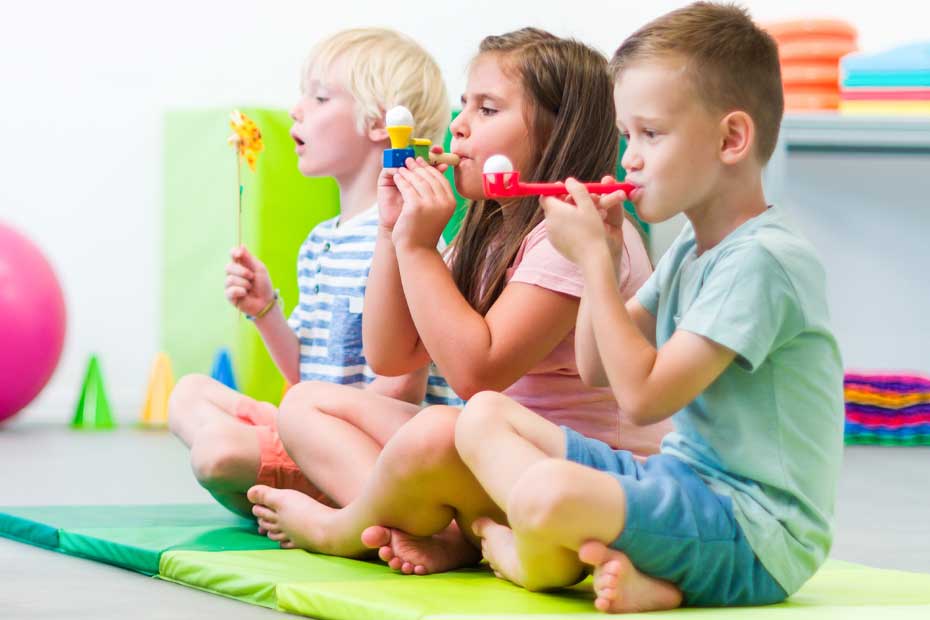
One of the most meaningful outcomes of occupational therapy services is the way children begin to see themselves. When they experience real success, finishing a handwriting task, tolerating a new food texture, or completing a routine they used to avoid, it builds authentic confidence and motivation.
OT can benefit the entire family by:
- Reducing daily struggles around routines, homework, and transitions
- Providing practical strategies that parents can use right away
- Helping caregivers better understand their child’s strengths and challenges
- Turning “work” into play, so progress feels enjoyable for the child
As skills develop, many families notice decreased stress and improved overall family routines and quality of life. A warm, child-centered clinic environment, like the one at Tip of the Tongue Rehabilitation, helps families feel supported and included in every step of the process.
Getting Started with Occupational Therapy in Mission, TX
Every child deserves the opportunity to reach their full potential. If you’ve noticed challenges with motor skills, attention, sensory processing, self-care, or everyday activities, don’t wait to seek answers. The experienced team at Tip of the Tongue Rehab can provide a comprehensive evaluation and create a personalized therapy plan designed to help your child build confidence, independence, and success at home, in school, and beyond.
Contact Tip of the Tongue Rehab today to schedule an evaluation and learn how occupational therapy can support your child’s growth, development, and long-term success.