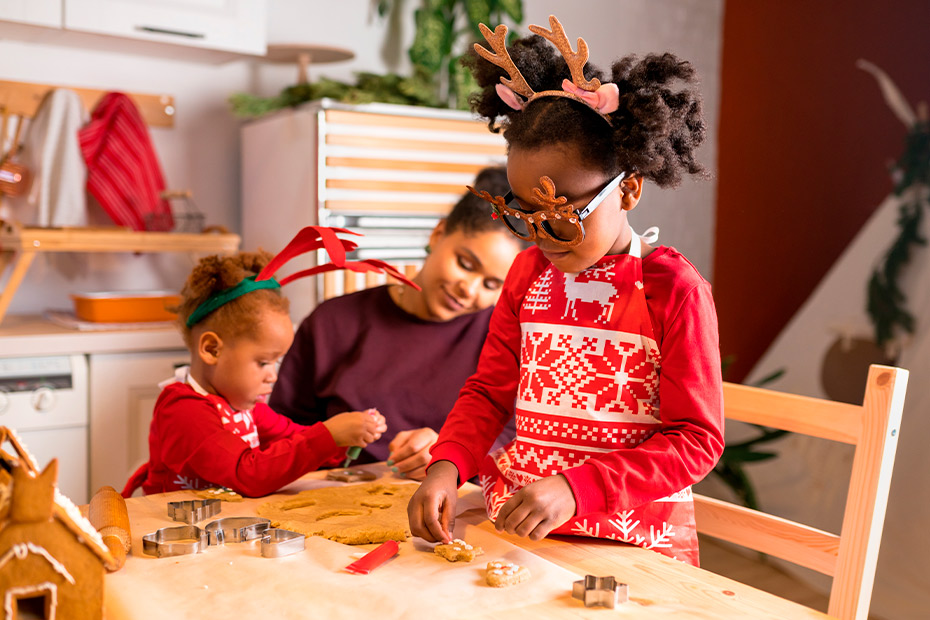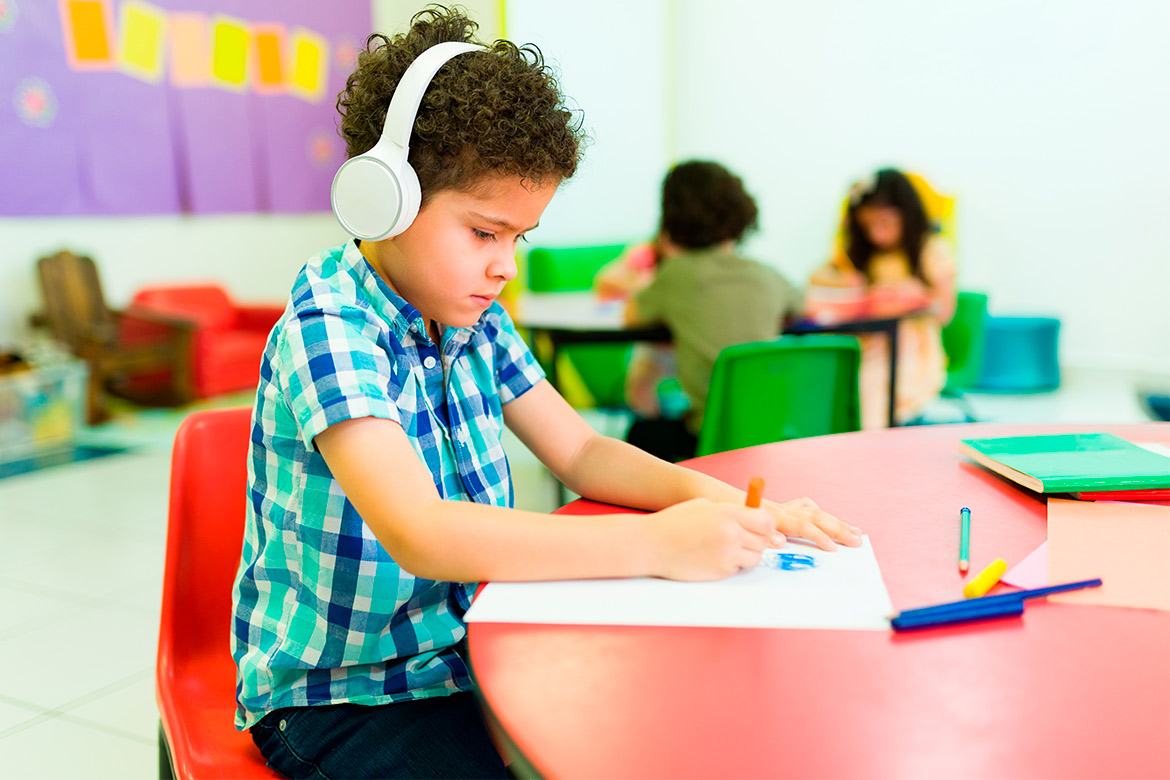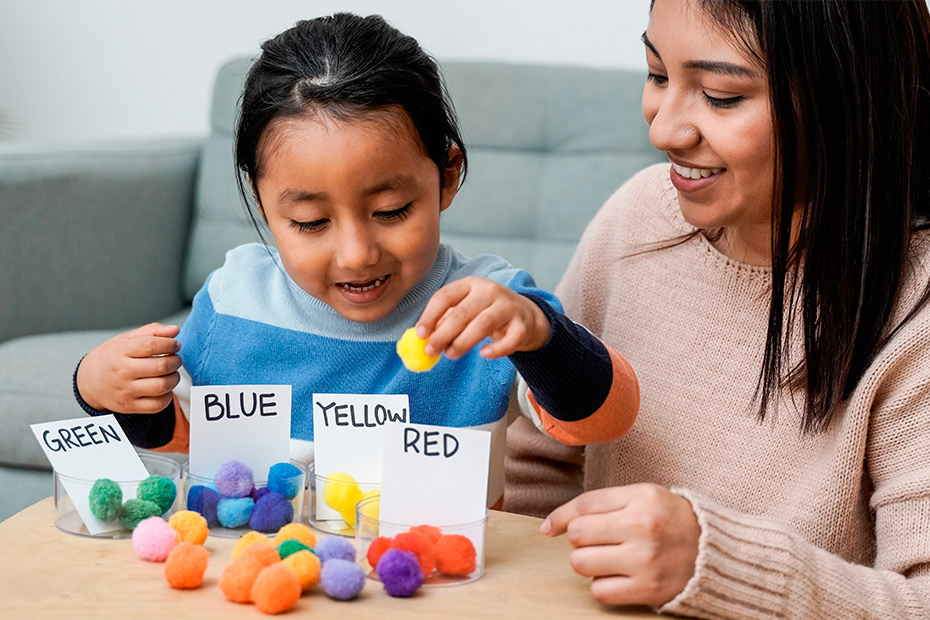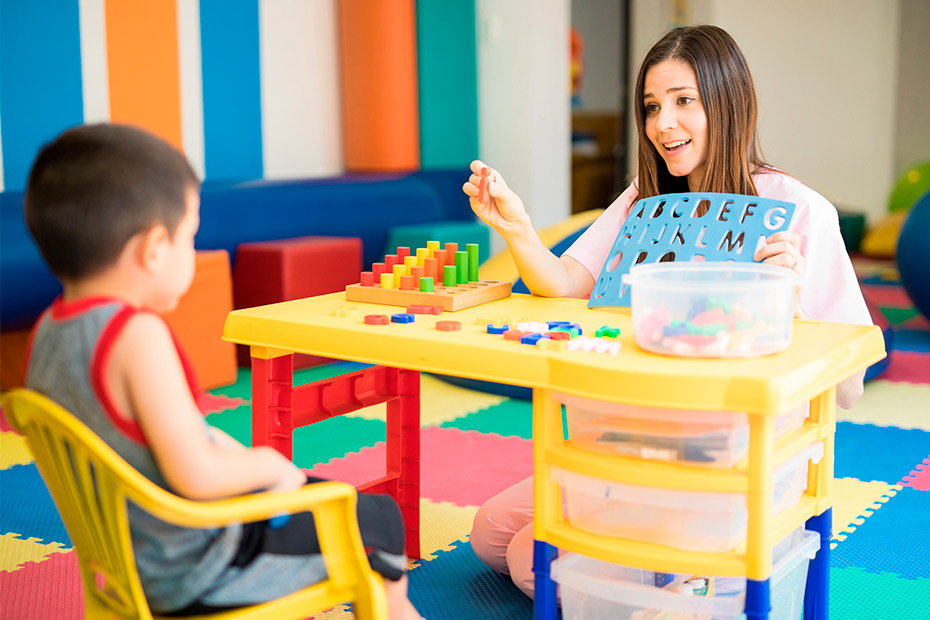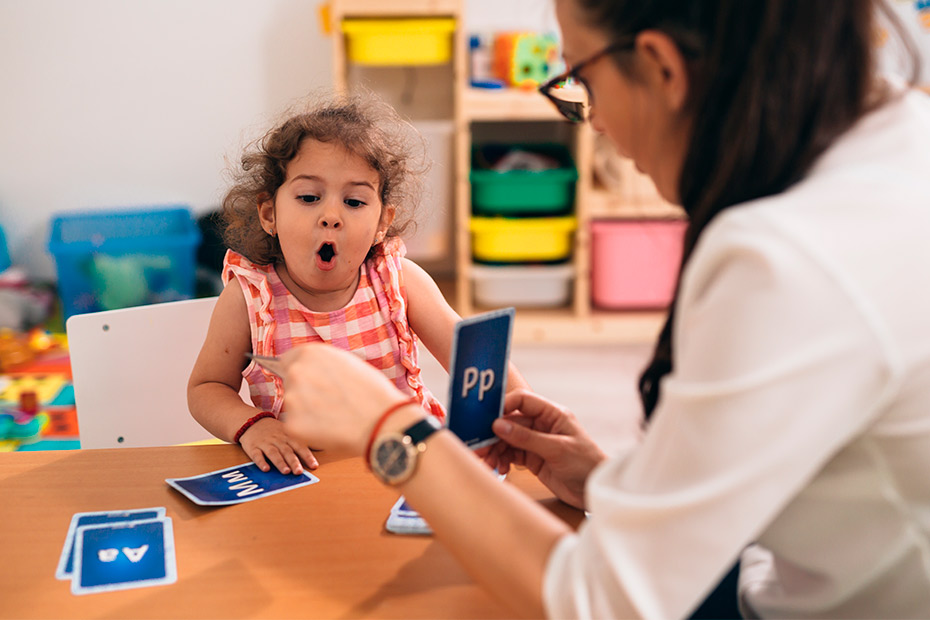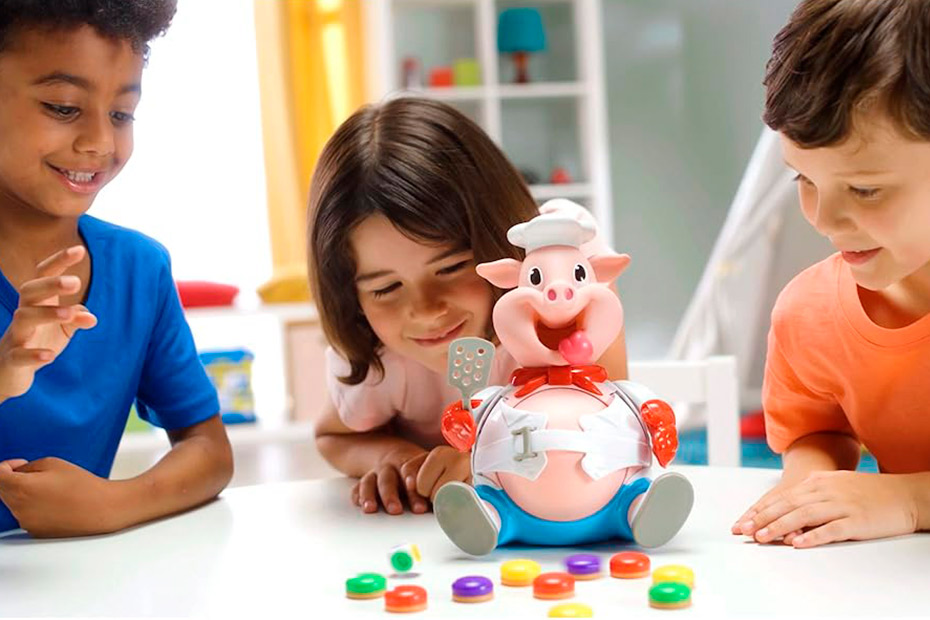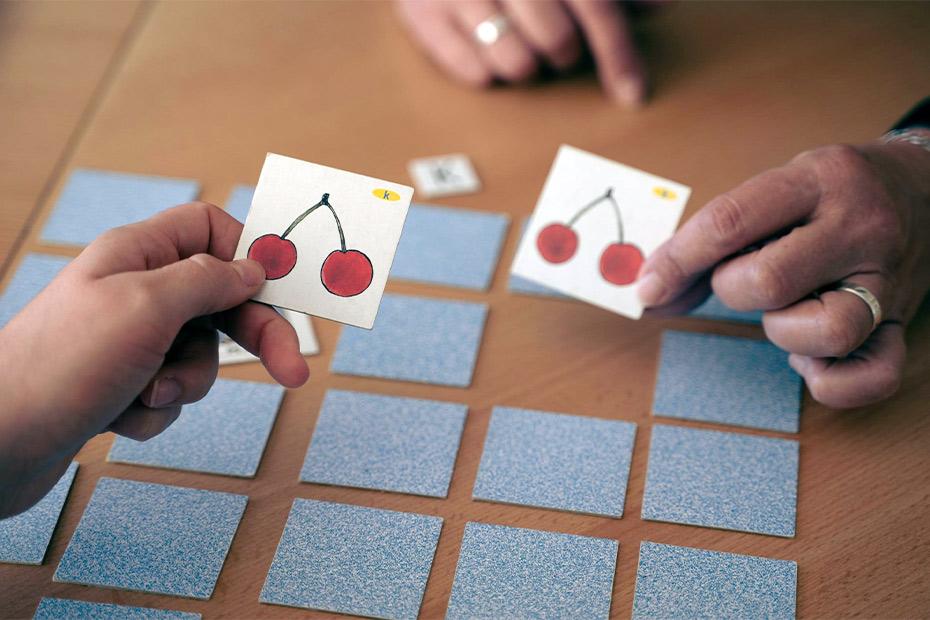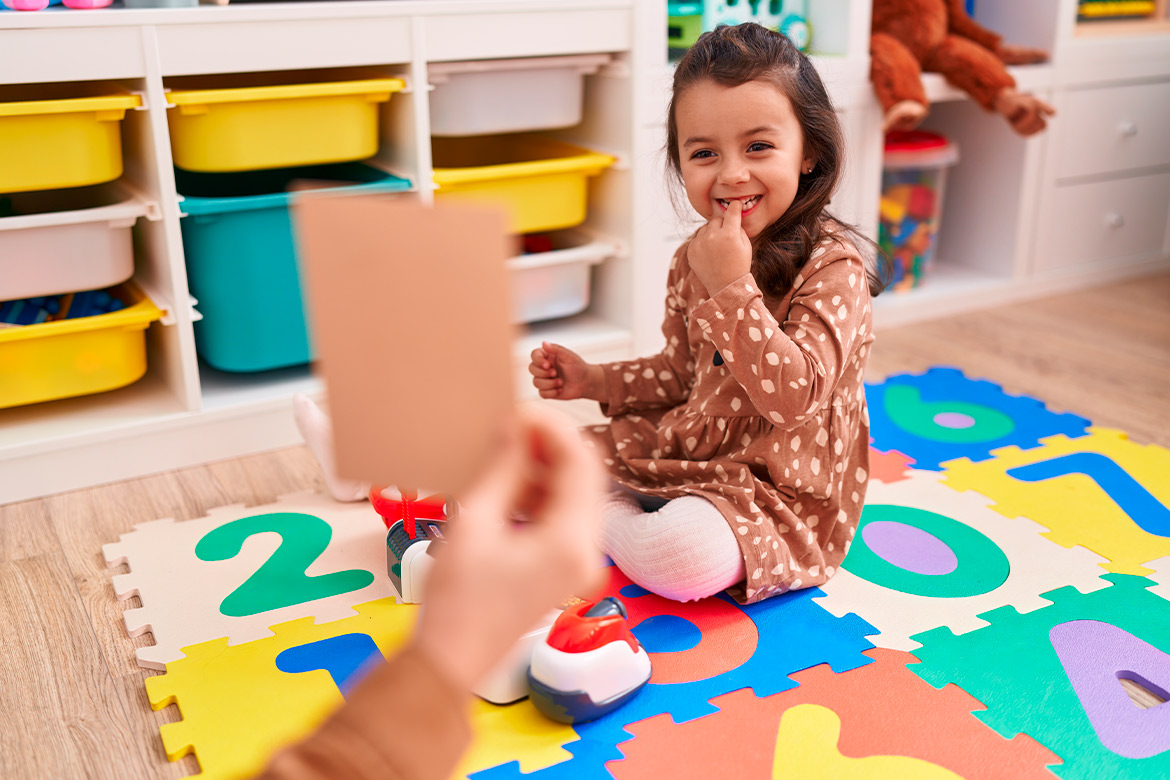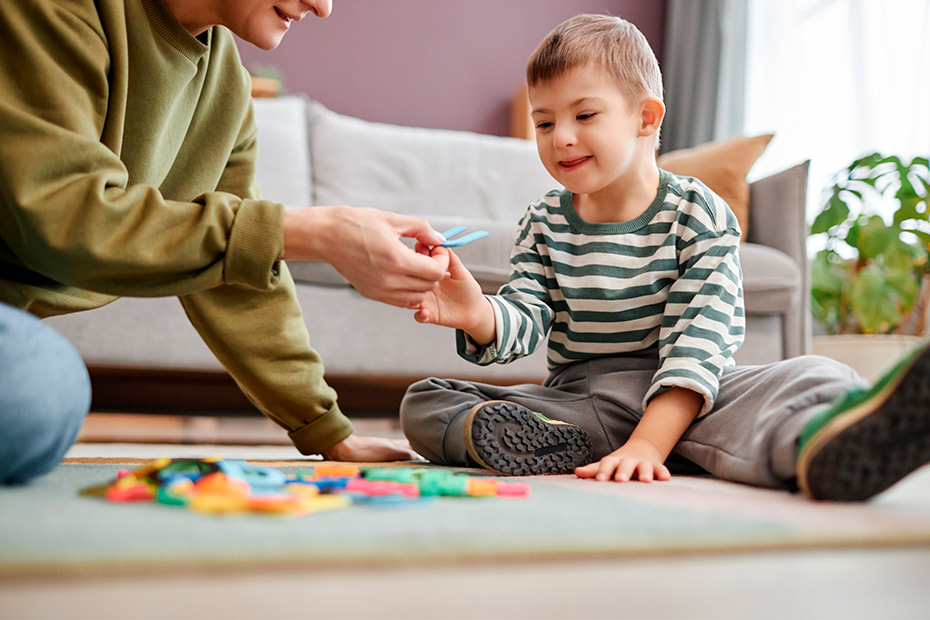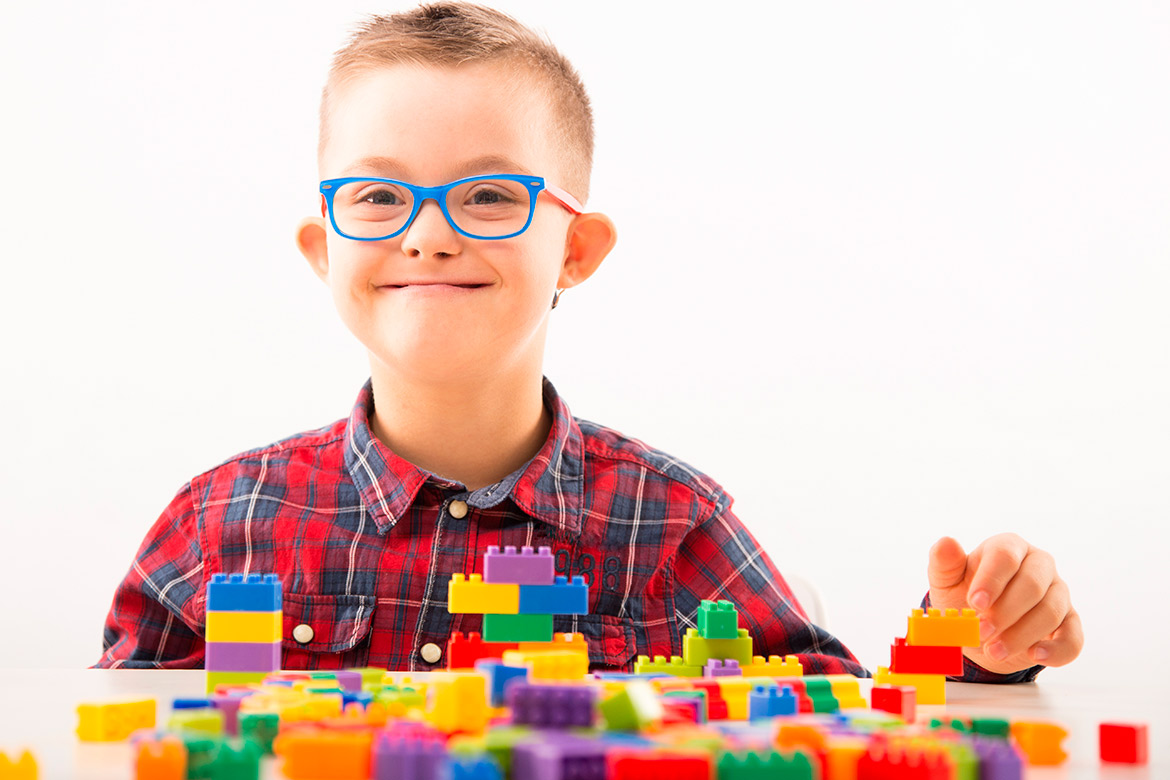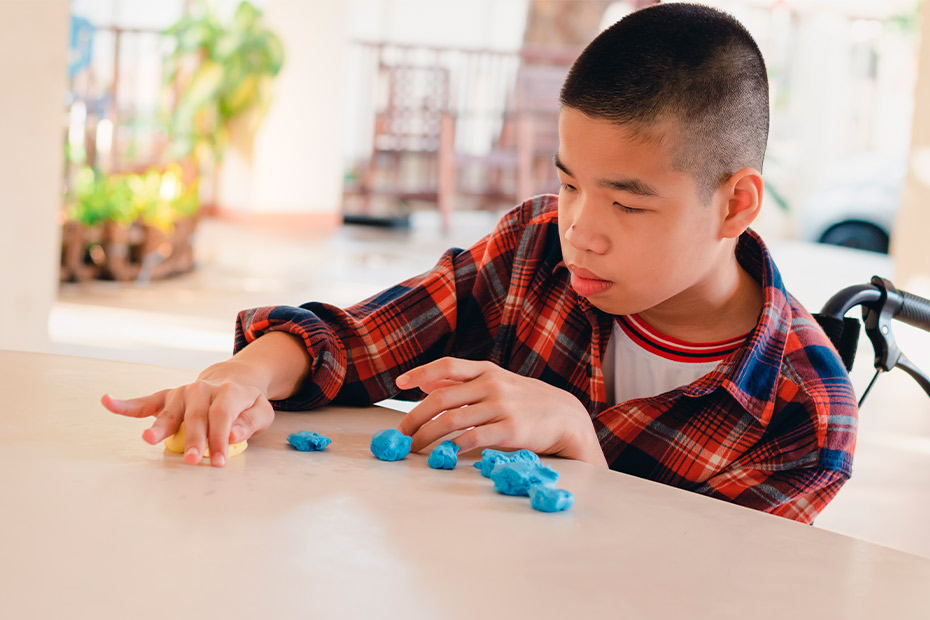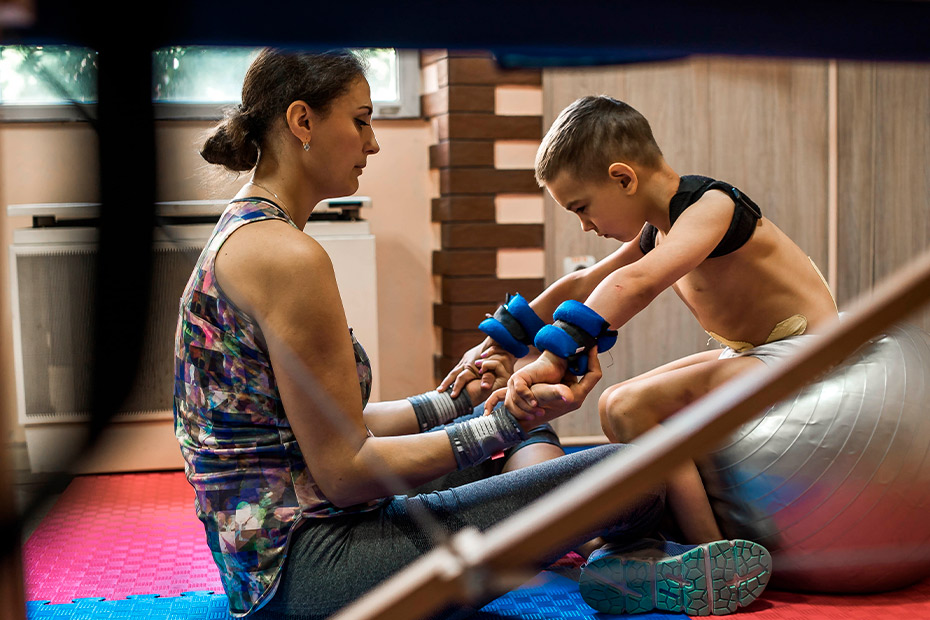

Every parent looks forward to the milestones that show a child is growing and becoming more independent, such as tying their shoes, writing their name, feeding themselves, or joining friends during playtime. These everyday achievements may seem simple, but they rely on a wide range of developmental skills working together.
When a child struggles with tasks that peers handle easily, it can create frustration for both the child and their family. These challenges do not always mean something is wrong, but they can signal that additional support may help your child build important skills for daily life. Pediatric occupational therapy focuses on strengthening the abilities children use every day, from motor coordination and sensory regulation to organization and social interaction.
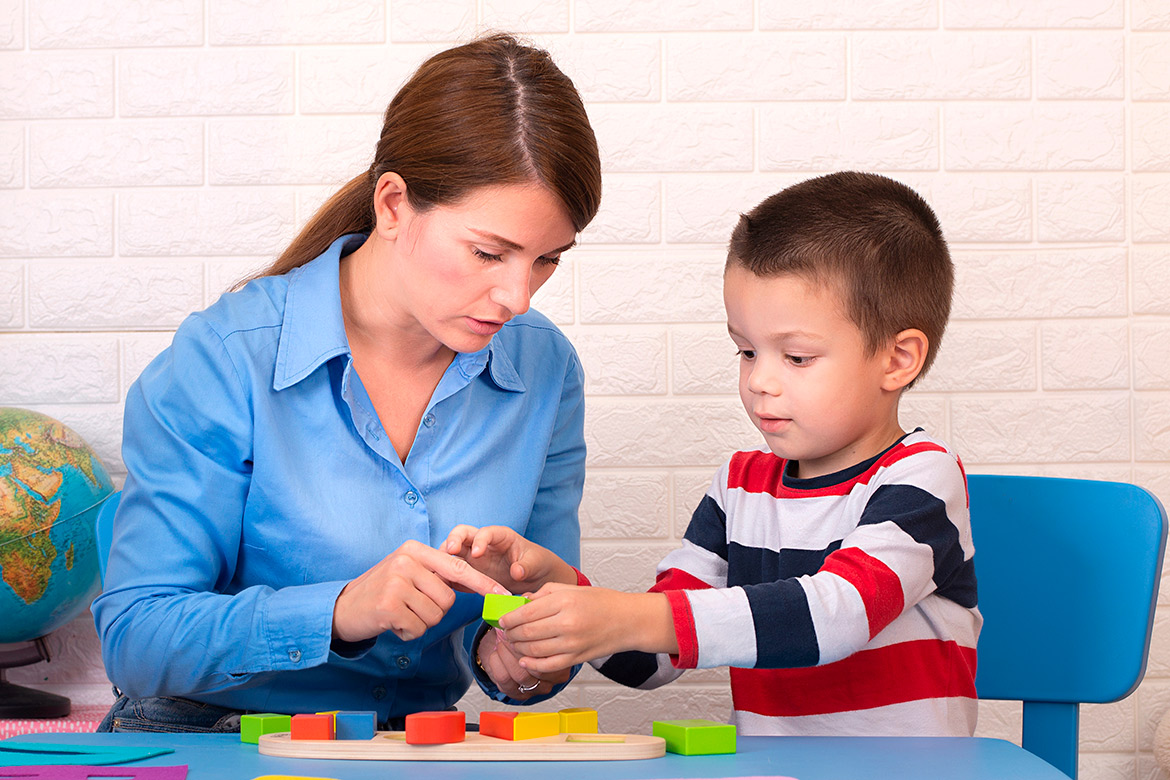
Occupational therapy for children does not focus on “occupation” in the traditional workplace sense. Instead, it supports the activities that make up a child’s daily life, playing, learning, dressing, writing, eating, and interacting with others. Therapy sessions are designed to help children develop independence and confidence as they grow.
Early identification can make a meaningful difference. When developmental challenges are addressed early, children have more opportunities to strengthen foundational skills during critical stages of growth. Understanding the signs that a child may benefit from occupational therapy helps parents take proactive steps toward supporting their development.
8 Signs Your Child May Benefit from Occupational Therapy
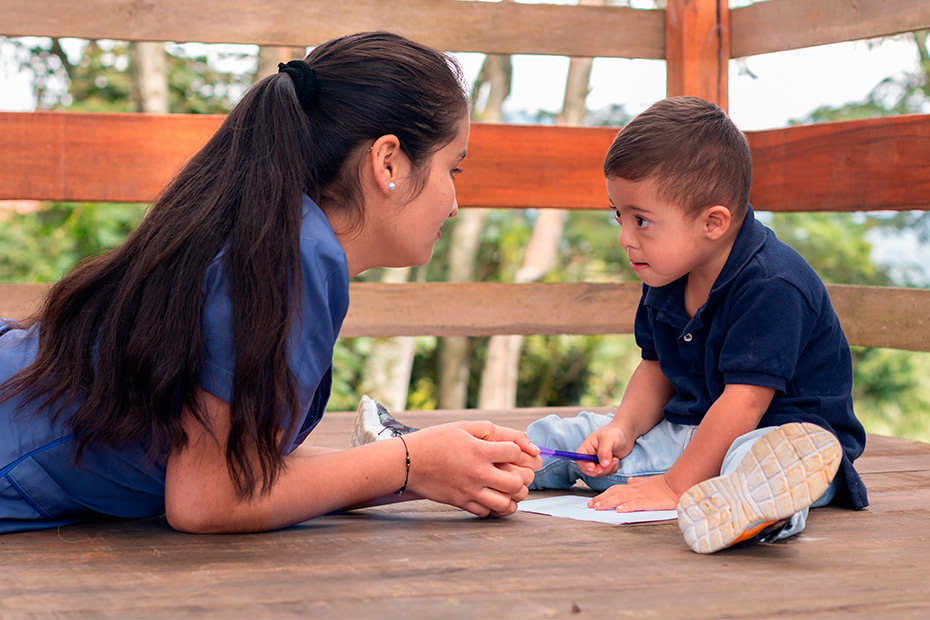
Children develop at their own pace, and occasional difficulties are part of the learning process. However, when certain patterns appear consistently, occupational therapy may help address underlying developmental challenges.
Below are several signs parents may notice as children grow and learn new skills.
1. Difficulty with Fine Motor Skills
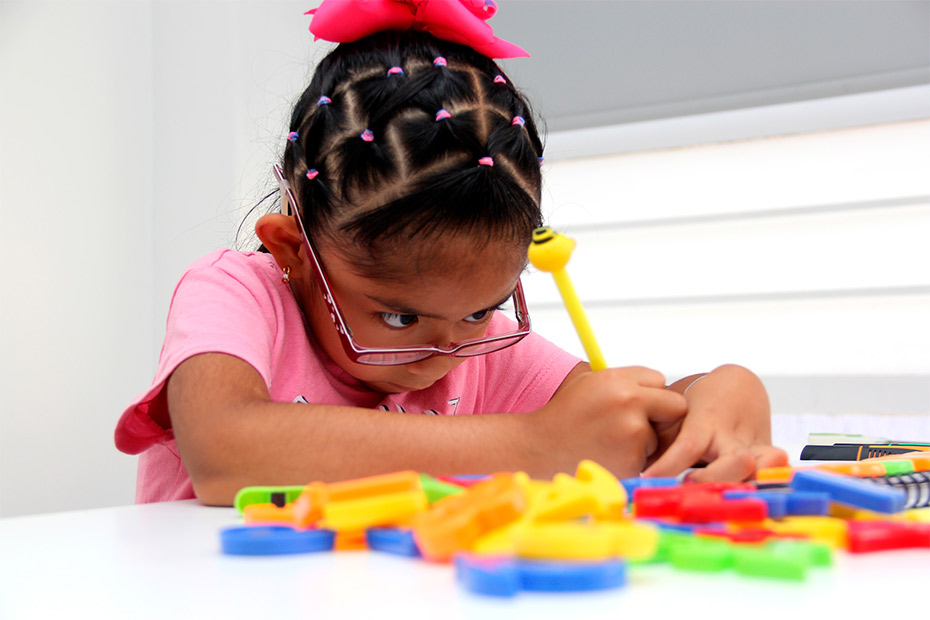
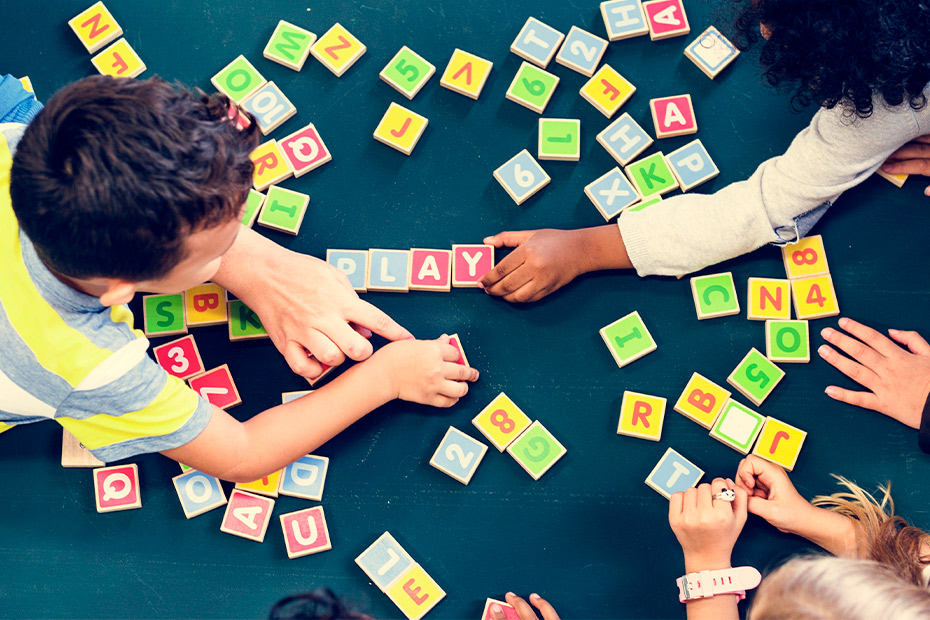
Fine motor skills involve the small muscles of the hands and fingers that allow children to perform precise tasks. These skills play an important role in school readiness and daily independence.
Children may show signs of difficulty if they struggle with:
- Holding a pencil or crayon correctly
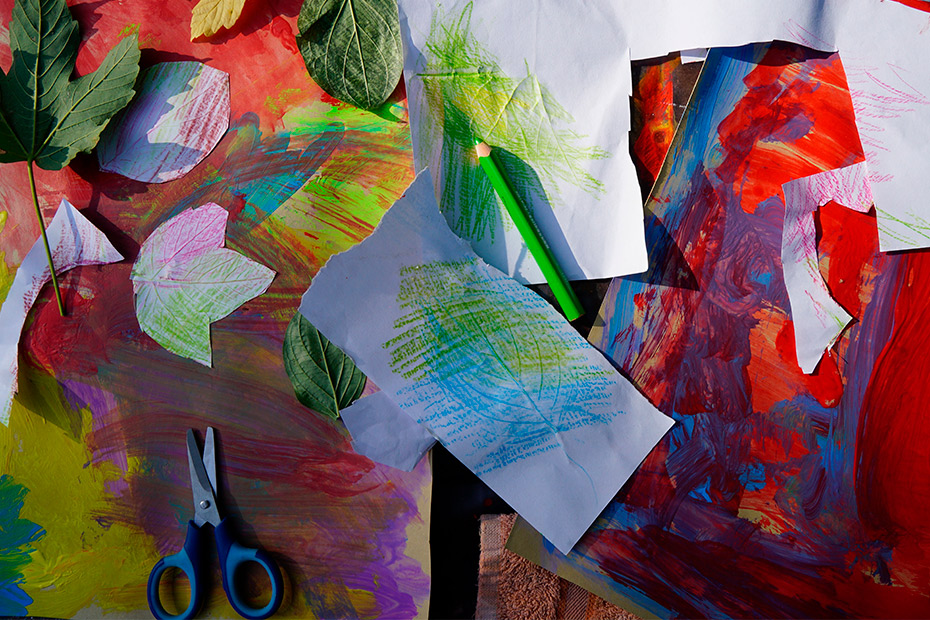
- Using scissors for crafts or school projects
- Buttoning clothing or tying shoelaces
- Drawing, coloring, or writing compared to peers
When fine motor development is delayed, children may avoid activities that require hand coordination.
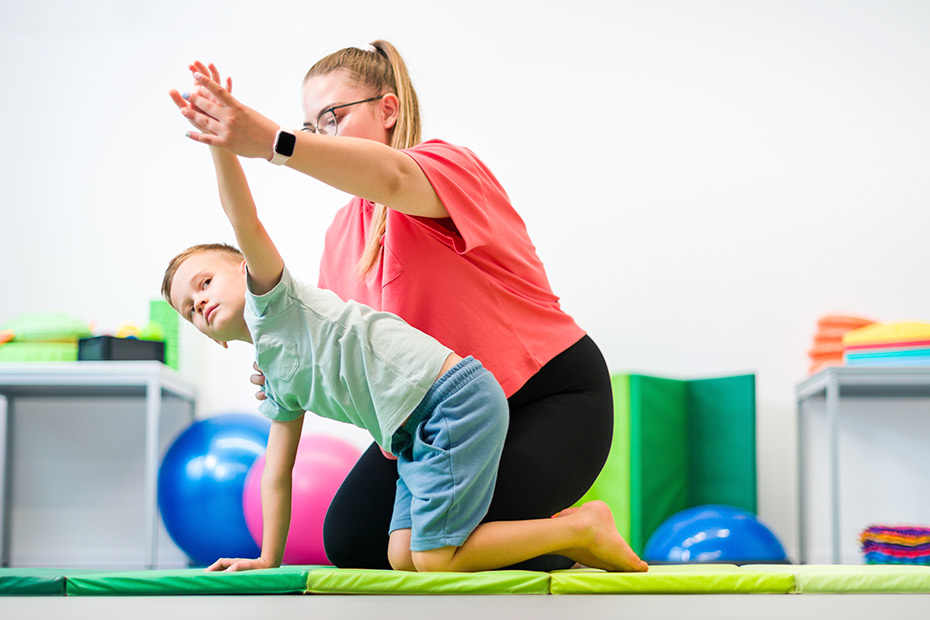
2. Challenges with Gross Motor Skills
Gross motor skills involve larger muscles used for balance, coordination, and body movement. These abilities help children participate in physical play and sports.
Possible signs of difficulty include:
- Appearing clumsy or frequently tripping
- Struggling to run, jump, or climb
- Difficulty balancing during physical activities
- Avoiding playground games or sports
Occupational therapy can strengthen coordination and improve body awareness so children feel more confident during movement-based activities.
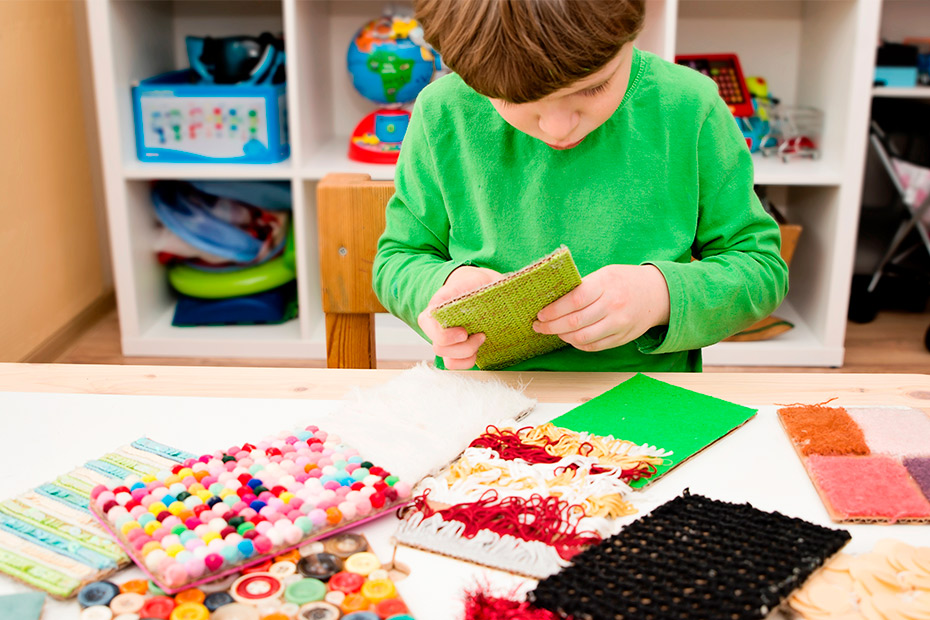
3. Sensory Processing Difficulties
Some children experience challenges processing sensory information such as sounds, textures, or visual stimuli.
This may appear in different ways:
- Sensitivity to loud noises or bright lights
- Discomfort with clothing textures or tags
- Avoidance of foods with certain textures
- Difficulty tolerating busy or crowded environments
In other cases, children may seek additional sensory input by constantly moving or touching objects. Occupational therapy can help children regulate sensory responses so daily environments feel more manageable.
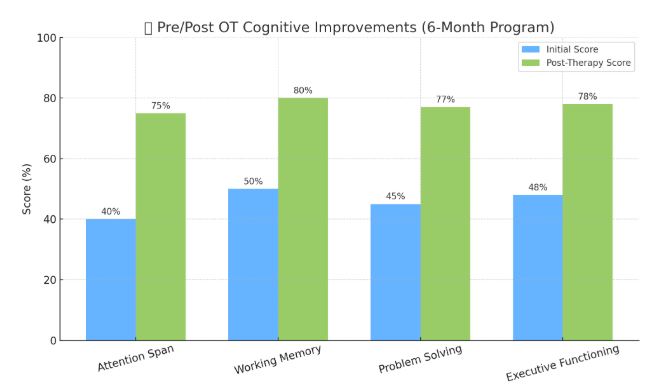
4. Difficulty with Attention and Focus
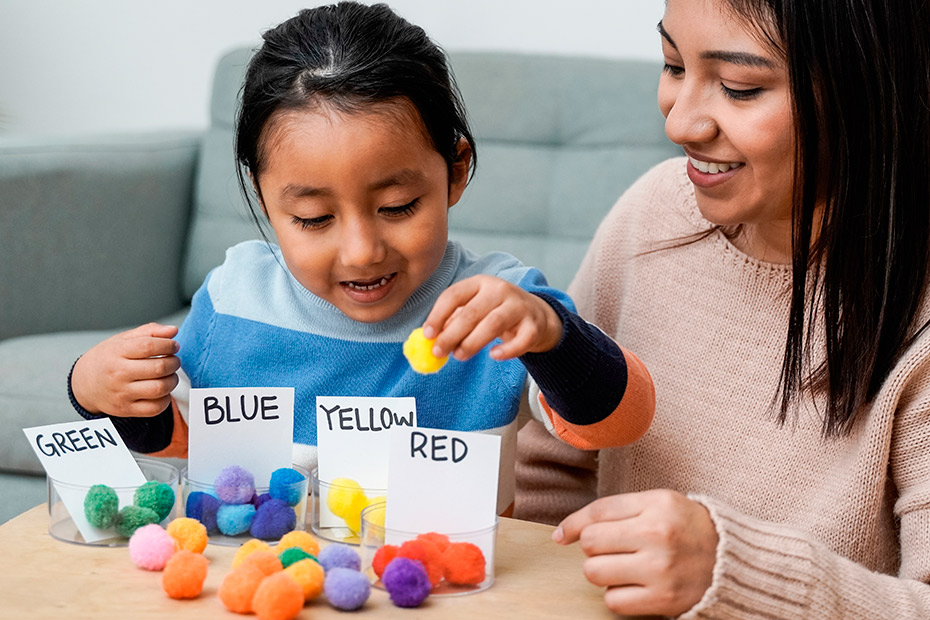
Attention and focus are essential for learning and completing tasks both at home and in school.
Parents and teachers may notice:
- Trouble staying focused during activities
- Difficulty completing assignments or instructions
- Becoming easily distracted
- Struggling with multi-step directions
Therapists often incorporate activities that improve attention, task planning, and organization skills.
5. Struggles with Self-Care and Daily Living Skills
As children grow, they gradually learn to manage everyday tasks independently. When these routines remain difficult for an extended period, additional support may be helpful.
Signs may include difficulty with:
- Dressing independently
- Using utensils during meals
- Brushing teeth or grooming
- Managing toileting routines
Developing these skills builds confidence and supports independence both at home and in school.
6. Delayed Developmental Milestones
Developmental milestones help track how children progress in motor, cognitive, and social development.
While variations are normal, consistent delays may include:
- Late crawling, sitting, or walking
- Difficulty mastering age-appropriate skills
- Challenges with early learning activities
Occupational therapists evaluate developmental progress and provide strategies that support skill development.
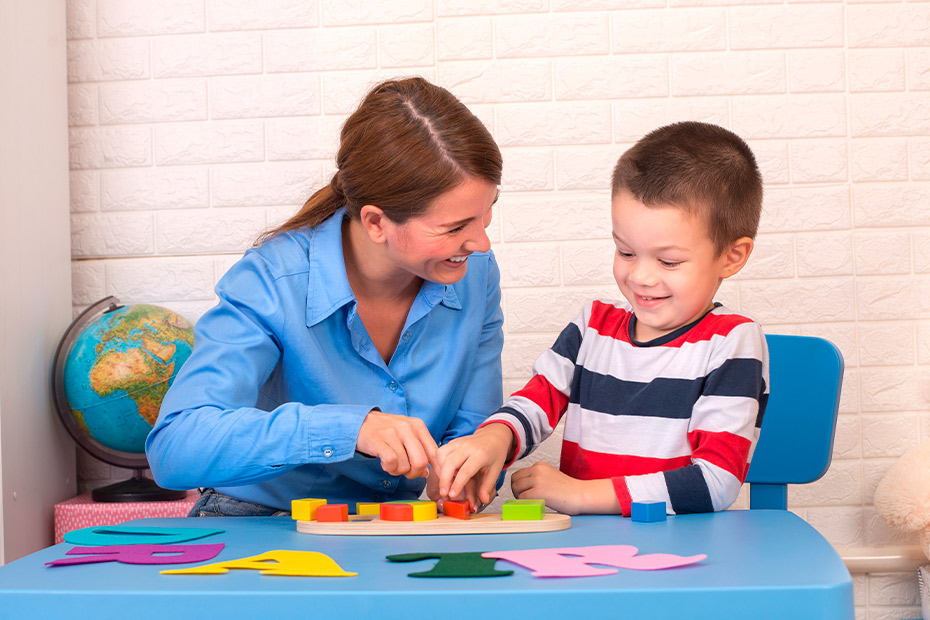
7. Difficulty with Social Interaction and Play
Play is an important part of childhood development. Through play, children learn communication, cooperation, and problem-solving skills.
Signs that a child may need additional support include:
- Difficulty sharing or taking turns
- Trouble joining group activities
- Preference for playing alone
- Challenges adapting to new environments
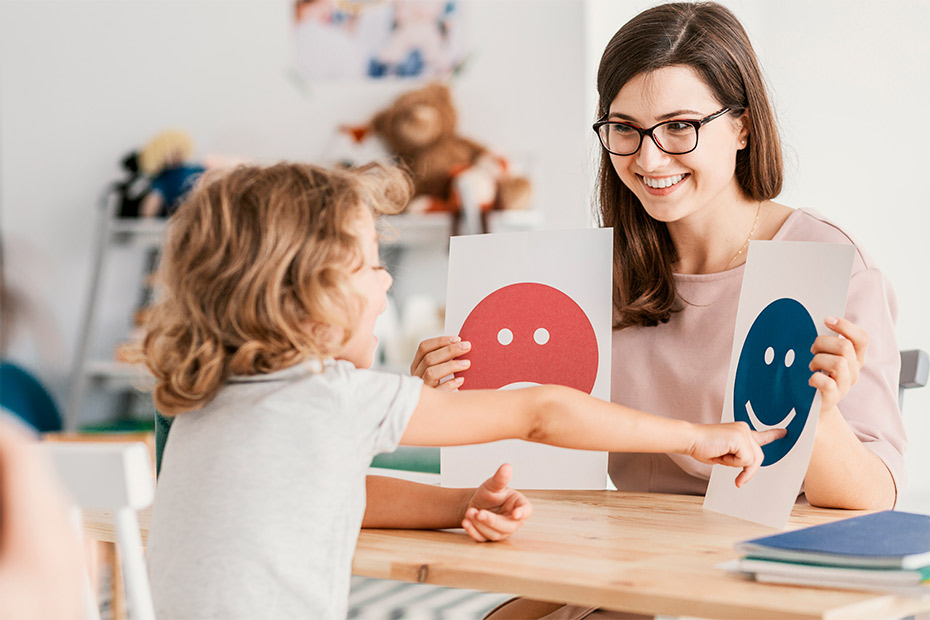
Therapy activities often incorporate play to help children build these social and communication skills naturally.
8. Frequent Frustration or Avoidance of Activities
Children who struggle with certain developmental skills may become frustrated when tasks feel overwhelming.
This can appear as:
- Emotional outbursts during challenging activities
- Avoidance of schoolwork or physical play
- Reluctance to try new skills
Addressing the underlying challenges can reduce frustration and help children build confidence as their abilities improve.
Age-Based Developmental Signs to Watch For
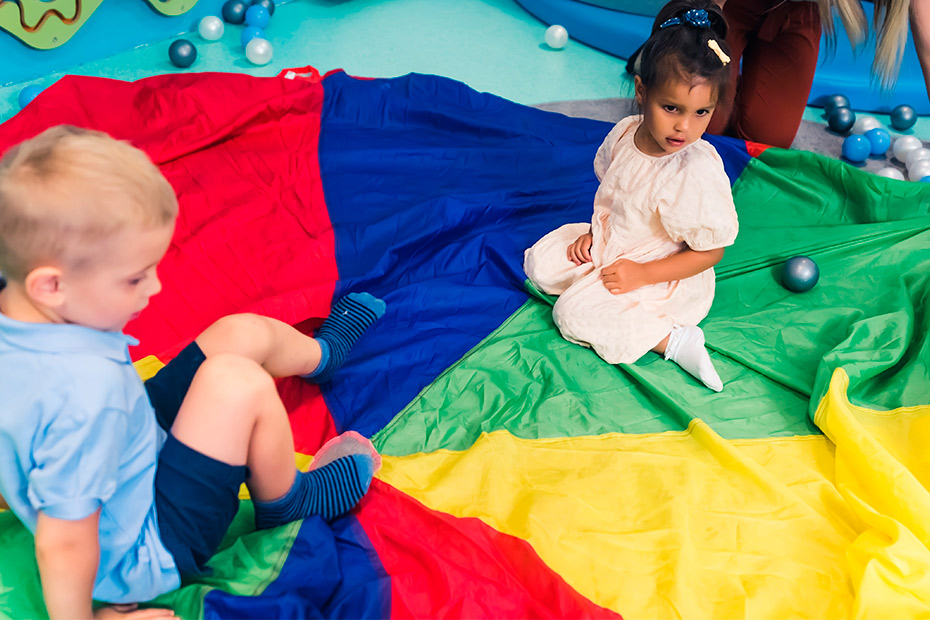
Developmental patterns can look different depending on a child’s age. Recognizing age-specific signs can help parents determine when to seek additional support.
Infants and Toddlers (0–2 Years)
During the earliest years, children develop foundational motor and sensory skills.
Parents may notice:
- Delays in crawling or walking
- Difficulty grasping toys or transferring objects between hands
- Limited exploration of the environment
Early therapy can help strengthen the building blocks needed for later learning and coordination.
Preschoolers (3–5 Years)
Preschoolers begin developing skills needed for school readiness.
Possible signs include:
- Difficulty using utensils or drinking from a cup
- Trouble dressing independently
- Challenges transitioning between activities
- Delays in developing consistent hand dominance
These skills support early independence and classroom participation.
School-Age Children (6–12 Years)
Academic environments introduce new challenges that require coordination, focus, and organization.
Common concerns include:
- Persistent handwriting difficulties
- Trouble organizing school materials
- Difficulty copying from the board
- Avoidance of sports or physical activities
Occupational therapy often supports both motor and executive functioning skills during this stage.
Adolescents (13+ Years)
Older children may still experience challenges that affect independence and daily responsibilities.
Possible signs include:
- Difficulty managing schedules or homework
- Trouble organizing tasks or responsibilities
- Sensory sensitivities in busy environments
Therapy can provide strategies that support independence as teens prepare for adulthood.
How Early Occupational Therapy Support Helps
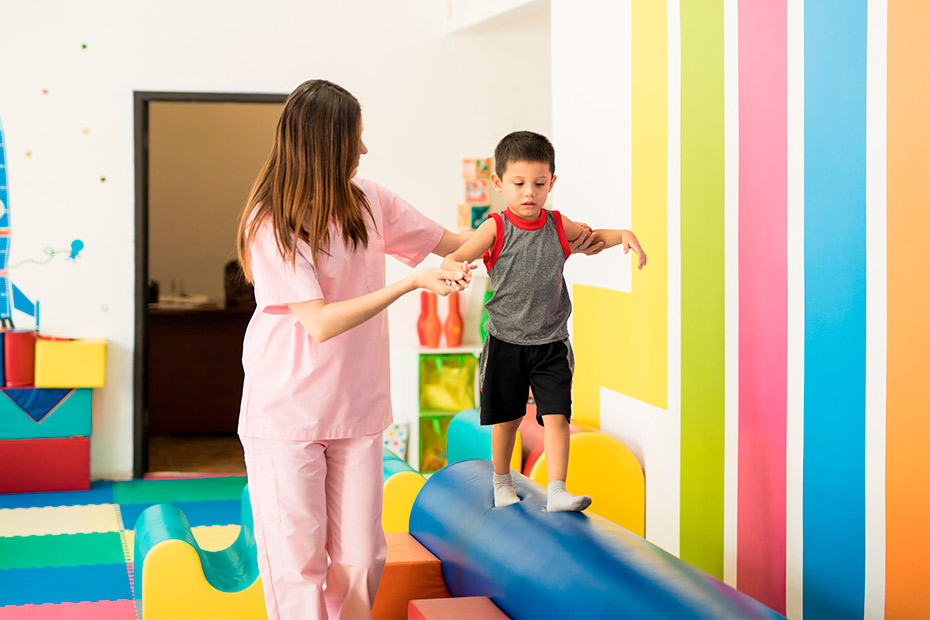
Recognizing potential developmental challenges is the first step toward helping children build the skills they need for everyday life. Early intervention can significantly improve a child’s ability to learn, participate, and gain confidence in daily activities.
Occupational therapy supports children in multiple areas of development, including:
- Strengthening fine and gross motor skills
- Improving sensory regulation
- Developing independence in daily routines
- Supporting emotional confidence and participation
Therapy also helps parents learn strategies to support their child’s progress at home, creating consistency across environments.
Each child receives an individualized therapy plan designed around their specific strengths, challenges, and developmental goals.
Helping Your Child Build Skills for Everyday Success
If you have noticed several of these signs in your child, seeking guidance can provide valuable clarity and support. Many developmental challenges can improve significantly with early intervention and the right therapeutic approach.
At Tip of the Tongue Rehabilitation Services, pediatric occupational therapy focuses on helping children develop the skills they need to succeed at home, in school, and in social environments. Our therapists work closely with families to create personalized therapy plans that support each child’s growth, confidence, and independence.
From strengthening motor coordination to improving sensory processing and daily living skills, our goal is to help every child reach their full potential.
Learn more about our services and schedule a consultation today to take the first step toward supporting your child’s development.