
When families first search for speech therapy McAllen TX, they are often looking for answers, reassurance, and a clear path forward. At its core, speech therapy is a supportive, structured service that helps children build the communication skills they need for daily life, at home, in school, and in their community.
In McAllen and throughout the Rio Grande Valley, speech-language pathologists work closely with families to assess and treat speech, language, and communication challenges using individualized, play-based approaches that meet children where they are developmentally. These services are especially meaningful in a region where many children grow up bilingual and within culturally rich households that shape how language develops.
Within speech therapy in McAllen, TX, families often see support for children experiencing:
- Speech sound difficulties that make words hard to understand
- Stuttering or interruptions in fluent speech
- Limited vocabulary compared to peers
- Difficulty following instructions or understanding language
- Developmental delays linked to autism, hearing concerns, or other conditions
Early support matters. When children receive help sooner rather than later, they tend to develop stronger communication foundations, improved confidence, and better academic readiness.
Recognizing When a Child May Need Speech Therapy McAllen, TX

Parents are usually the first to notice when something feels different in their child’s communication. Knowing what to look for can make a meaningful difference in how early support begins.
Here are common indicators that may suggest a need for speech therapy in McAllen TX:
Important communication signs
- Words that are unclear or difficult to understand for their age
- Sentences that are shorter or less developed than their peers
- Ongoing difficulty learning new words
- Repeated stuttering or hesitation during speech
- Trouble understanding simple directions
- Delays in reading or early writing skills
Behavioral and social observations
| Area | What parents may notice | Why it matters |
| Emotional response | Frustration when trying to speak | Communication barriers can affect confidence |
| Social interaction | Avoiding speaking in groups | May signal communication anxiety |
| Play and friendships | Difficulty engaging with peers | Language impacts social development |
| Speech patterns | Repeating errors consistently | May indicate persistent articulation needs |
Children may also become unusually quiet or withdraw from group settings when communication feels difficult. During speech therapy in McAllen TX, these early signs are taken seriously because they often provide the clearest window into a child’s needs.
Early evaluation helps families gain clarity instead of uncertainty. Research consistently shows that children who begin intervention early, especially before age five, make stronger long-term gains in language development.
Why Early Intervention Shapes Long-Term Success
Early intervention is often the turning point in a child’s communication journey. When families pursue speech therapy in McAllen TX, early, children are allowed to strengthen foundational skills during the most critical developmental years.
Early support can lead to:
- Stronger vocabulary growth and sentence formation
- Improved social confidence in school and play
- Reduced frustration during communication
- Better readiness for academic learning
The earlier speech and language concerns are addressed, the more naturally children adapt new communication patterns into everyday life.
Families often describe early therapy as a relief, not because challenges disappear overnight, but because there is finally a clear plan forward.
Inside the Speech Therapy McAllen, TX Evaluation Process,
The first step in any speech therapy journey is a comprehensive evaluation. This process allows licensed Speech-Language Pathologists to understand exactly how a child communicates and where support is needed most.
What happens during evaluation
| Step | What it involves | Purpose |
| Initial assessment | Observation and structured testing | Understand the communication baseline |
| Speech analysis | Sound and articulation review | Identify speech clarity concerns |
| Language review | Vocabulary and comprehension checks | Measure language development |
| Oral-motor screening | Muscle and coordination assessment | Evaluate physical speech support needs |
Once complete, therapists develop a clear profile of the child’s strengths and areas needing support. This becomes the foundation for all future goals in speech therapy.
Families are included throughout the process, so they understand what is happening and why it matters.
Personalized Goals That Guide Every Child Forward
No two children follow the same communication path. That is why speech therapy focuses on individualized treatment planning.
Goals are built around each child’s needs and may include:
- Improving articulation and clarity of speech
- Expanding vocabulary and sentence structure
- Supporting social communication skills
- Strengthening comprehension and listening skills
- Encouraging confidence in everyday conversations
These goals are not static. They evolve as the child grows and progresses, ensuring therapy remains meaningful and effective.
What Therapy Sessions Look Like in Speech Therapy
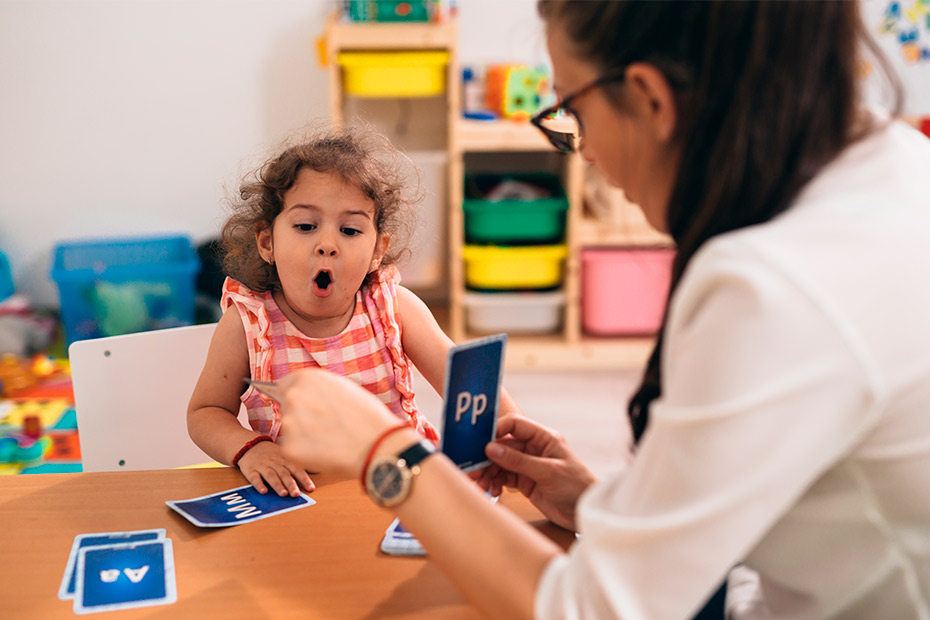
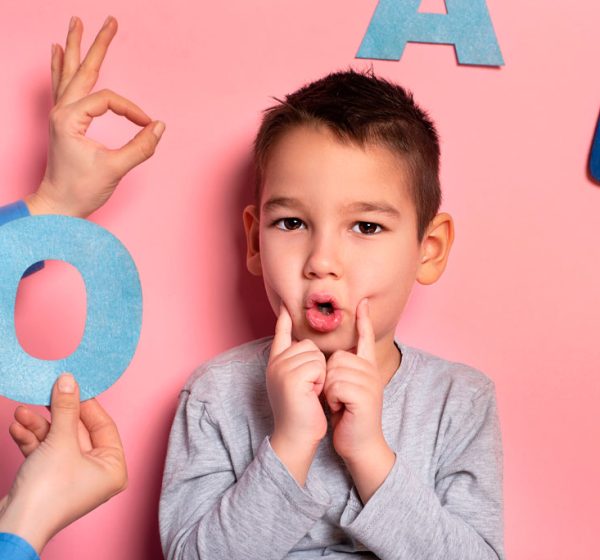
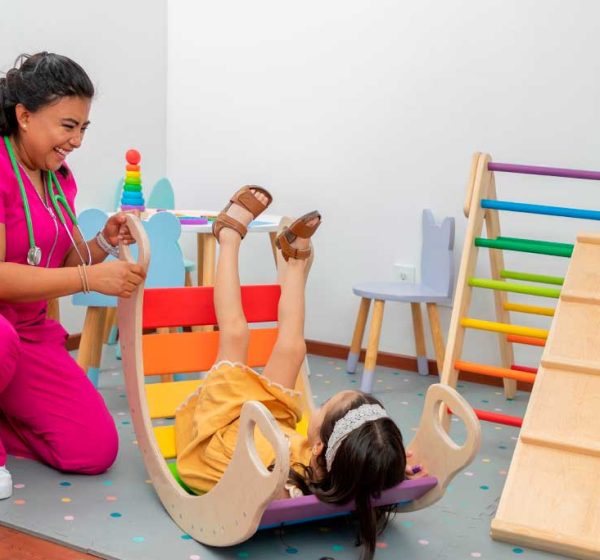
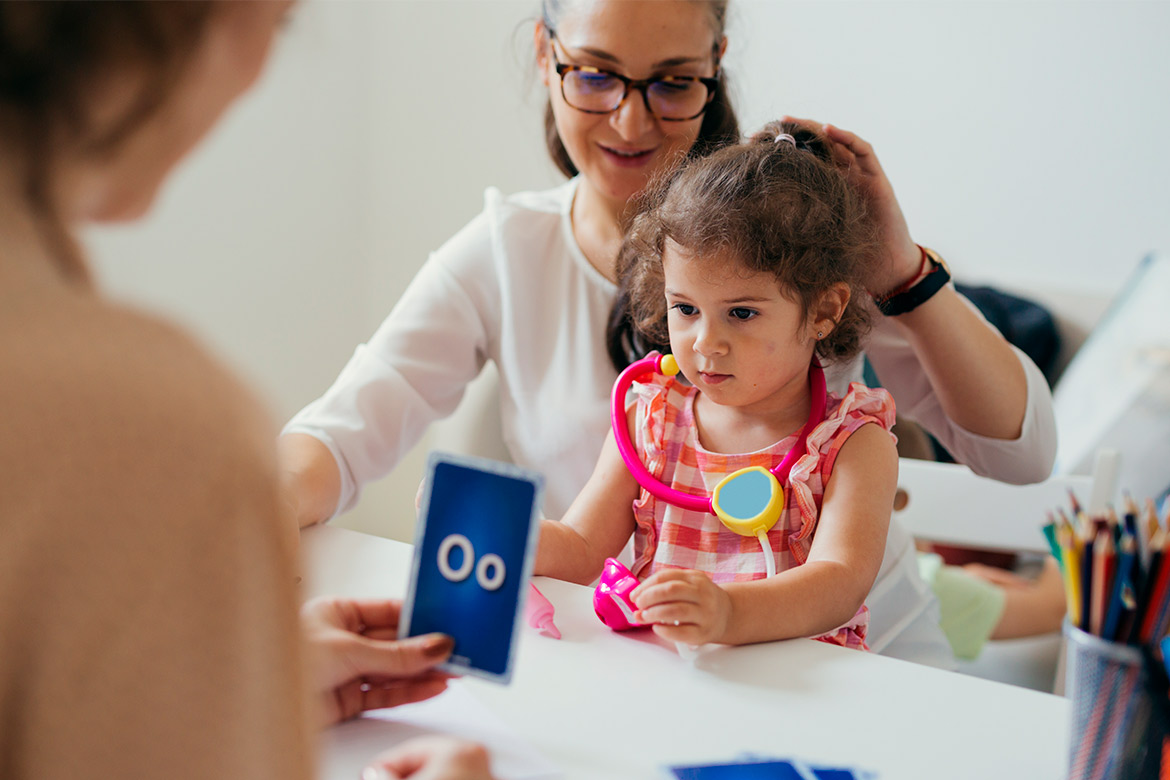
Therapy sessions are designed to feel engaging, structured, and child-friendly. In speech therapy, learning often happens through play, repetition, and real-life interaction.
Typical session structure
| Component | What happens | Why it works |
| Warm-up activities | Simple interaction games | Builds comfort and engagement |
| Skill practice | Sound, word, or sentence work | Targets therapy goals directly |
| Play-based learning | Games, stories, visuals | Keeps children motivated |
| Parent feedback | Home practice guidance | Extends progress beyond clinic |
Therapists often use books, images, and interactive storytelling to help children practice communication in natural, meaningful ways.
Progress timelines vary. Some children benefit from short-term therapy lasting a few months, while others require longer support depending on their needs.
Empowering Families Through Speech Therapy
Family involvement is one of the strongest predictors of success in speech therapy. When therapy continues beyond the clinic, progress becomes more consistent and lasting.
How families can support progress at home
- Practice daily routines with intention
Simple conversations during meals, play, and reading time reinforce new skills - Stay connected with the therapist
Regular communication ensures strategies stay aligned with progress and home needs - Celebrate small improvements
Every new word or clearer sound builds confidence - Support bilingual development
In McAllen, many children benefit from bilingual reinforcement strategies that respect home language use
Home support overview
| Strategy | Example | Benefit |
| Daily practice | Naming objects during play | Builds vocabulary naturally |
| Reading together | Story repetition | Strengthens comprehension |
| Positive reinforcement | Praising effort | Encourages confidence |
| Consistency | Short daily routines | Reinforces long-term retention |
Families are not observers in this process; they are active partners.
Supporting Your Child’s Journey with Tip of the Tongue Rehab
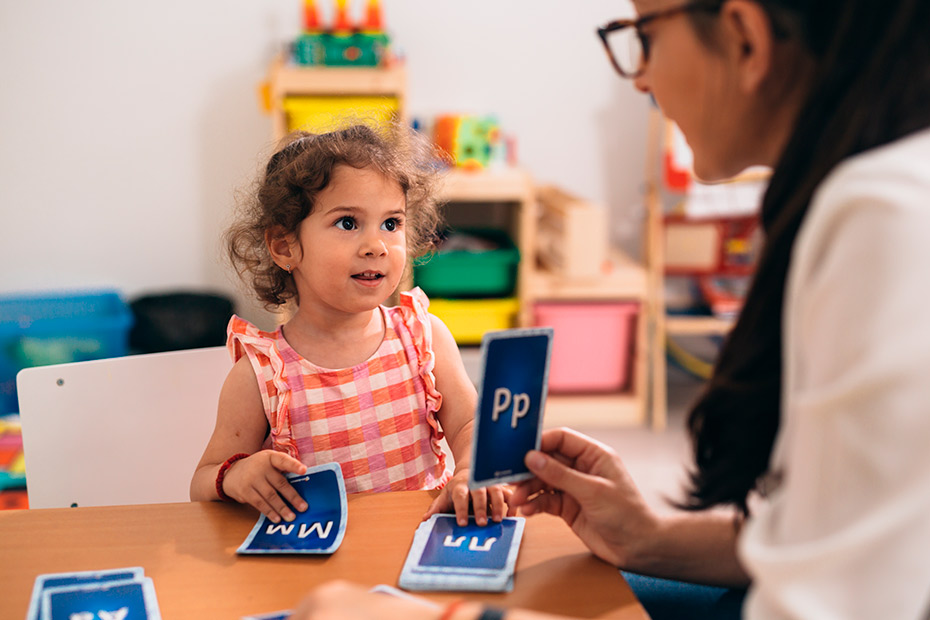
At Tip of the Tongue Rehab, children are supported through compassionate, individualized care that focuses on helping them reach their full communication potential. Our approach to speech therapy is built around understanding each child’s unique strengths and challenges while creating therapy plans that feel supportive, engaging, and achievable.
Whether a child is working through articulation difficulties, language delays, fluency concerns, or developmental communication needs, our team is committed to walking alongside families every step of the way.
If you are noticing signs that your child may benefit from speech therapy, early support can make a meaningful difference. Contact us today to begin an evaluation and take the first step toward clearer, more confident communication.