
As a parent, you know your child best. You notice every new sound, smile, and word. That’s why it can feel worrying when your toddler doesn’t seem to be talking “on time.” The good news is that early support can make a big difference, especially when families partner with experienced pediatric speech therapists close to home, such as those providing speech therapy in McAllen, TX at Tip of the Tongue Rehab.
This guide walks through six early signs of possible speech delay in toddlers, organized by age range and key milestones. Every child develops at their own pace, but if several of these signs sound familiar, it may be time to ask about an evaluation.
12–18 Months: Limited Babbling and Few Sounds
By around a year, many babies are:
- Babbling with different sounds (“baba,” “dada,” “gaga”)
- Using their voice to get attention
- Imitating simple sounds you make
Early warning sign #1: Your toddler makes very few sounds or has stopped babbling

If your 12–18-month-old:
- Rarely babbles or makes vowel/consonant sounds
- Doesn’t use their voice much to get your attention
- Seems quieter than other children their age
This may signal that they’re not building the early sound skills that lead to first words.
Because speech and language are closely tied to overall communication, early evaluation by a pediatric speech-language pathologist can help you understand whether your child is just “on their own timeline” or may benefit from early speech therapy support.
12–18 Months: Few Gestures or Eye Contact
Before words, toddlers communicate with their bodies. Pointing, waving, and looking at you are all important early communication skills.
Early warning sign #2: Your toddler rarely uses gestures or eye contact
By roughly 12–18 months, many children:
- Point to show you things that interest them
- Wave “hi” or “bye”
- Reach toward what they want while looking at you
If your toddler:
- Doesn’t point to ask for things or show you objects
- Rarely waves, reaches, or nods
- Avoids or rarely makes eye contact
They may be having difficulty with the building blocks of communication, not just spoken words. A speech therapist can help you encourage joint attention, gestures, and early turn-taking during everyday routines.
18–24 Months: Not Saying Single Words
By around 18 months, many toddlers have at least a small set of meaningful words, such as “mama,” “dada,” “ball,” “up,” or “more.” By age 2, vocabulary often grows to 50 or more words.
Early warning sign #3: Your 18–24-month-old still isn’t using clear single words
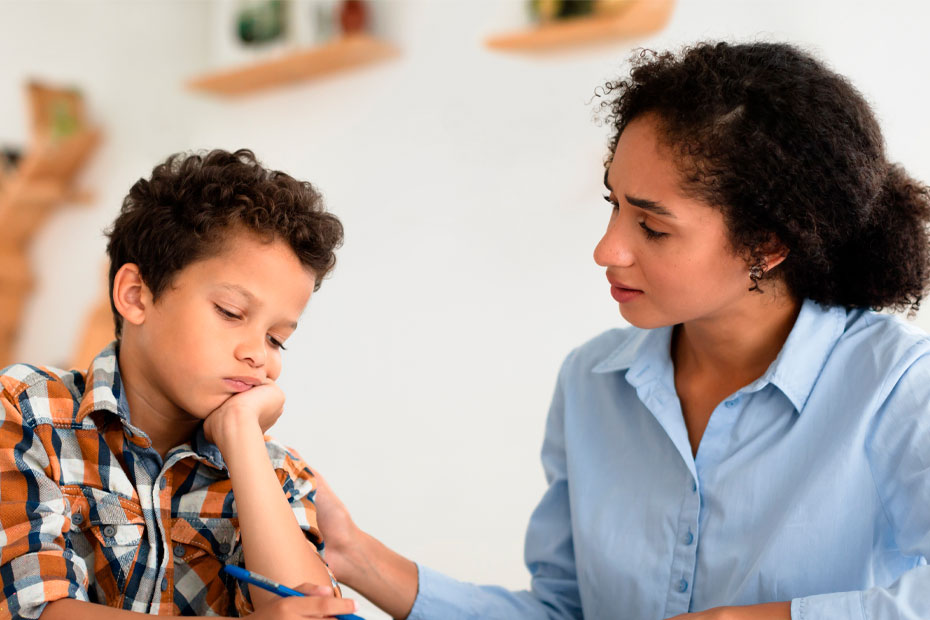
Consider talking with a specialist if your toddler:
- Is 18 months old and has no clear, consistent words
- Is 24 months and uses fewer than 10–20 words
- Mostly relies on grunts, cries, or pulling your hand to communicate
There can be many reasons for delayed first words, hearing issues, motor planning challenges, or limited opportunities to practice language. A speech-language pathologist can help you uncover the “why” and create a plan that fits your child’s needs and your family’s daily life.
24–30 Months: Not Combining Two-Word Phrases
Around age 2, most toddlers begin to link words together, such as:
- “More milk”
- “Mommy go”
- “Big truck”
Early warning sign #4: Your 2–2½ year-old doesn’t combine words.
You may want to explore speech therapy in McAllen, TX, if your child:
- Is saying some single words, but rarely or never combines them
- Relies heavily on gestures, sounds, or one-word requests
- Seems to get “stuck” at the single-word stage for many months
Two-word phrases are important because they show that children are starting to organize language and express more complex ideas. With the right support, many toddlers quickly expand from single words to phrases using activities they already love, play, books, songs, and daily routines.
24–36 Months: Difficulty Understanding Simple Directions
Receptive language, how well your child understands, is just as important as what they can say.
By ages 2–3, many children can:
- Follow simple directions like “Get your shoes” or “Put the cup on the table”
- Understand and point to familiar objects or body parts
- Respond when you call their name from another room
Early warning sign #5: Your toddler struggles to understand simple instructions
You may notice that your child:
- Seems confused by familiar one-step directions
- Rarely responds when you call their name (and hearing has already been checked)
- Has trouble finding or pointing to familiar people or objects
When a child has trouble understanding, it often affects their ability to speak clearly and use words and sentences. A speech-language pathologist can support both understanding and expression together through play-based speech therapy, including games you can continue at home.
Any Age (Toddler Years): Frustration, Tantrums, or Regression
Communication challenges can be hard on toddlers emotionally. When they can’t express themselves, they may show it through behavior.
Early warning sign #6: Frequent frustration, tantrums, or loss of skills
Consider an evaluation if you notice:
- Frequent meltdowns when your child is trying to tell you something
- They “give up” on trying to talk and rely mostly on crying or acting out
- They used to say words or sounds but have stopped (regression)
These behaviors can be signs that your child is working very hard just to communicate basic needs and feelings. Early speech therapy can give them tools to express themselves more easily and confidently, in both English and Spanish if needed, which is especially important for many families in the Rio Grande Valley.
When to Seek Help (And Why Sooner Is Better)
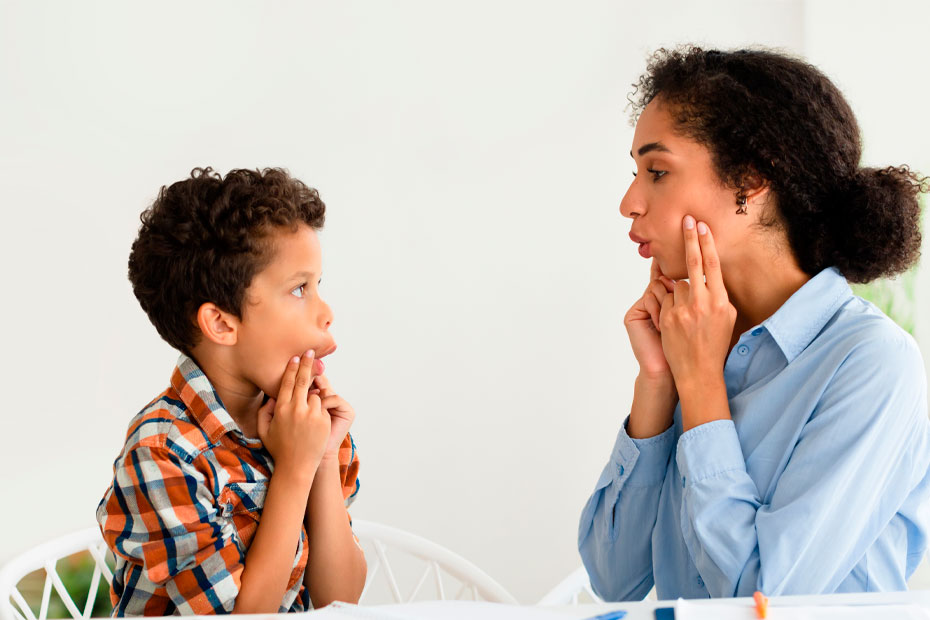
If your child shows one or more of these early signs of speech delay, you don’t have to wait and worry. Research and clinical experience show that early intervention often leads to better long-term outcomes for speech, language, and learning.
You might consider a professional evaluation if:
- Your gut tells you “something feels off”
- Friends, family, or your pediatrician has raised concerns
- Your child becomes easily frustrated when trying to communicate
- You see several of the warning signs listed above
At Tip of the Tongue Rehab, a child-centered rehabilitation center in McAllen, TX, families can access comprehensive pediatric speech therapy tailored to each child’s unique needs, often alongside occupational or physical therapy when helpful.
How Speech Therapy in McAllen, TX Can Help Your Toddler
If you’re in the Rio Grande Valley and searching for speech therapy in McAllen, TX, Tip of the Tongue Rehab offers:
- Individualized treatment plans based on your child’s strengths and challenges
- Play-based therapy that feels fun and natural for toddlers
- Family coaching, so you know exactly how to support language at home
- Bilingual speech therapy services, to support children growing up in English- and Spanish-speaking homes
The first step is typically a speech and language evaluation, where a licensed speech-language pathologist listens to your concerns, observes how your child communicates, and recommends next steps.
If you’re ready to learn more or schedule an appointment, you can contact Tip of the Tongue Rehab directly.
Moving Forward With Confidence
Every child’s journey is unique, and speech and language milestones are no exception. Not every late talker will need therapy, but if you’re noticing several of these six early signs of speech delay, reaching out for guidance is a loving, proactive step.
With the right support, many toddlers quickly gain new skills, find their voices, and discover the joy of being understood.